
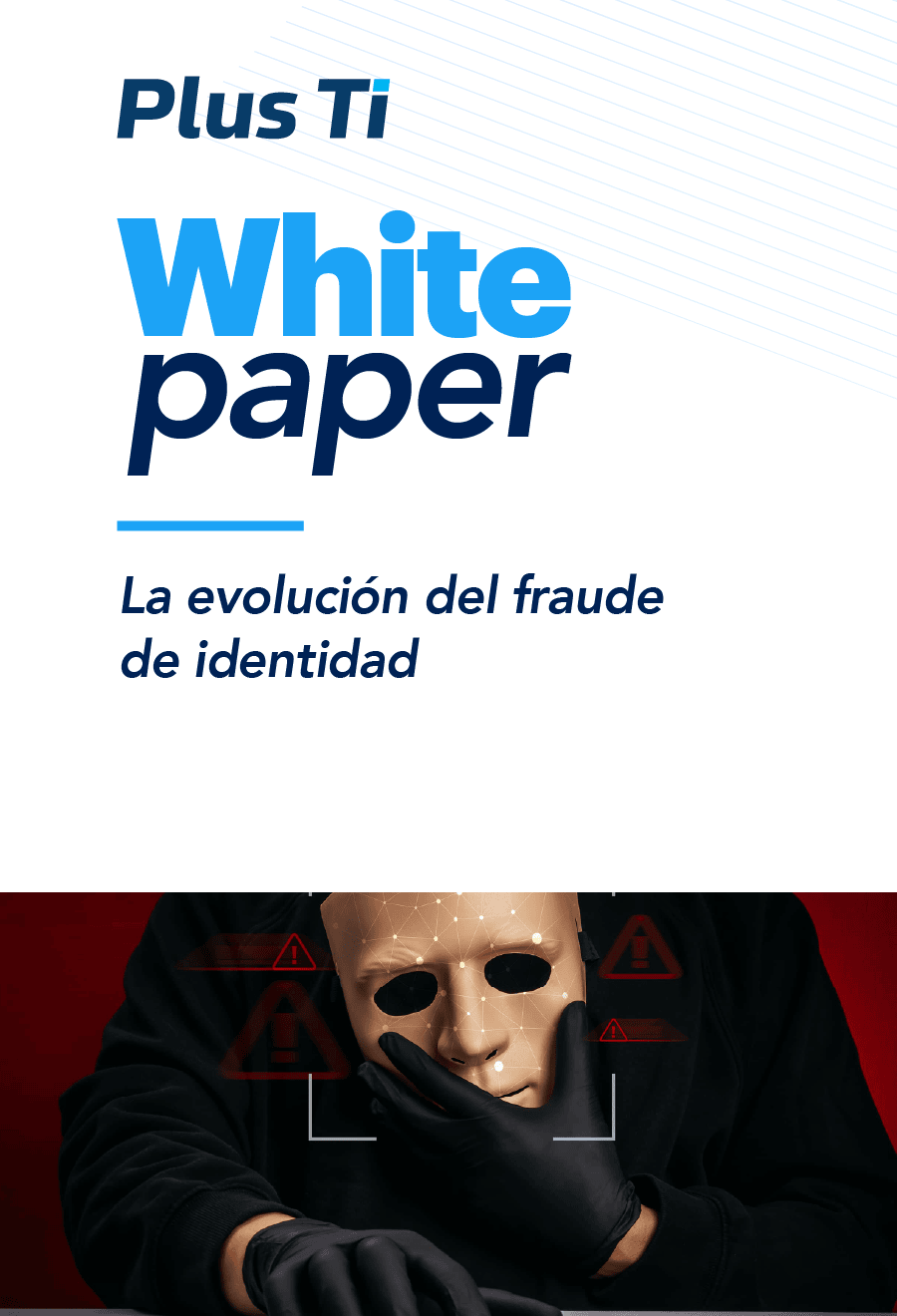
The acceleration of financial digitization has radically transformed the way institutions interact with their customers, enabling more agile, accessible, and efficient processes. However, this same progress has led to a profound shift in the nature of identity fraud, which has evolved from traditional identity theft schemes to much more sophisticated models that operate within the system itself.
In this new landscape, fraudsters no longer rely solely on stealing information; instead, they use valid identities, synthetic identities, and seemingly legitimate behavior to evade controls designed to detect more obvious threats. As a result, many institutions face a growing challenge: distinguishing between a valid identity and truly legitimate activity.
This document explores how identity fraud has evolved in recent years, why traditional models are no longer sufficient, and which subtle signs often go unnoticed. It also examines the impact of synthetic identities and first-person fraud, as well as the importance of adopting behavior- and context-based approaches to anticipate risks in an increasingly complex environment.
DOWNLOAD
DOWNLOAD